
Teaching Art Classes for Kids Without Taking Over: A How-To Guide
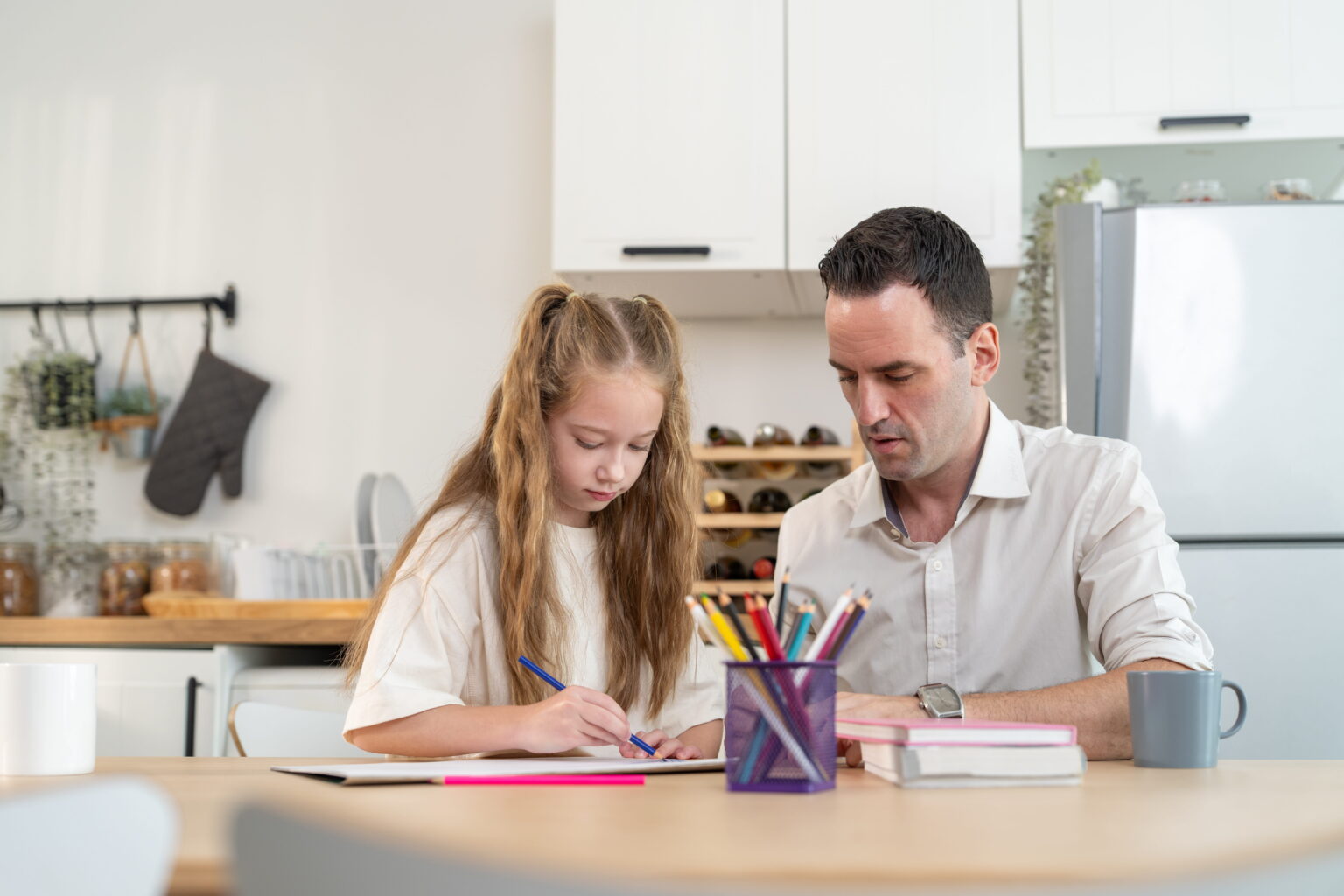
Watching a child create art can be both exciting and challenging. As parents and educators, it’s natural to want to help when a drawing doesn’t look quite right, a painting goes outside the lines, or a sculpture starts to collapse. However, one of the most valuable lessons children can learn through art is how to solve creative problems on their own. Let’s explore 8 strategies to help you excel in your art classes without taking over their creative learning.
Why Collaboration Matters in Art Education
Art is much more than creating something beautiful. It teaches observation, perseverance, communication, and creative problem-solving. While adults often focus on the finished product, children benefit most from the creative process itself. When adults become too involved, children may:
- Lose confidence in their own ideas.
- Begin creating artwork to please adults rather than to express themselves.
- Become afraid of making mistakes.
- Depend on consistent direction rather than experimenting.
Instead, successful collaboration encourages children to make decisions, solve challenges, and take pride in their own accomplishments.
Teaching At Home Art Classes for Kids: 8 Tips for Collaborating without Taking Over
True collaboration means encouraging, guiding, and inspiring without taking ownership of the project. When adults resist the urge to “fix” a child’s artwork, students gain confidence, develop critical thinking skills, and discover their own creative voice. These skills also reflect the National Visual Arts Standards, which encourage students to create, respond, connect, analyze, and evaluate as they develop as artists. Collaborative art instruction gives children opportunities to practice these skills while still taking ownership of their creative decisions. Whether you’re teaching at home, leading a classroom, or supplementing learning through art classes for kids, understanding how to collaborate effectively can transform the learning experience for everyone involved.
1. Be a Guide, Not the Artist
One of the easiest ways to support young artists is to think of yourself as a coach instead of a creator. Instead of trying to “fix” the creation, try asking questions like:
- What do you think should happen next?
- What color would you like to try?
- How could you make that stand out more?
- What inspired this part?
Open-ended questions encourage independent thinking while helping children evaluate their own work.
2. Focus on the Process Instead of the Outcome
Adults often unintentionally judge artwork based on how realistic or polished it appears. Children, however, gain much more from:
- Experimenting with new materials
- Mixing unexpected colors
- Trying different techniques
- Learning from mistakes
- Expressing emotions visually
Instead of developing conclusions on what you believe the child is intending to make, try comments like:
- I noticed you used lots of different shades of green.
- Tell me about your painting.
- What was your favorite part to create?
These conversations reinforce creativity rather than perfection.
3. Let Children Make Creative Decisions
It can be tempting to recommend colors, rearrange compositions, or suggest “better” ideas. Instead, allow your child to make decisions whenever possible. This includes:
- Colors
- Materials
- Subject matter
- Backgrounds
- Decorative details
Even if the finished artwork looks very different from what an adult might create, those independent choices help children develop artistic confidence.
4. Demonstrate Without Taking Over
Sometimes children genuinely need help learning a new technique. Instead of working directly on their artwork, show demonstrations of the technique separately. For example:
- Show brush strokes on your own paper.
- Practice blending colors on a spare sheet.
- Demonstrate how to roll clay before they try it.
This allows students to practice independently while still benefiting from instruction.
5. Embrace Mistakes as Part of Learning
Creative mistakes often become the best learning opportunities. A paint spill might become a new background texture, a cloud, or an abstract design. Teaching children that mistakes can become part of the artwork helps reduce perfectionism and encourages experimentation.
6. Collaborate Through Conversation
Art provides excellent opportunities for meaningful conversations. Asking children to explain their choices also teaches them to analyze and evaluate their own artwork rather than relying on an adult to tell them whether it is “good” or “right”. Ask questions like:
- What inspired this idea?
- How did you decide on these colors?
- What emotion does your picture show?
- What was the hardest part?
- Is there anything you would change if you created it again?
These discussions help children respond to their own artwork, connect creative choices to their ideas and experiences, and strengthen both artistic thinking and communication skills.
7. Know When to Offer Help
Collaboration does not mean never helping. Instead, wait for moments when students genuinely need support. These situations could include explaining unfamiliar tools, demonstrating techniques, or encouraging persistence after frustration. The goal is to remove obstacles without removing ownership.
Collaborating With Different Age Groups
Young artists benefit from simple guidance and plenty of freedom. Focus on:
- Exploring materials
- Developing fine motor skills
- Asking encouraging questions
- Celebrating effort
Avoid correcting or rewarding their work. As children grow, they become more interested in techniques while still enjoying imaginative projects. Parents and teachers can collaborate by:
- Demonstrating new skills
- Encouraging observation
- Introducing famous artists
- Discussing artistic choices
At this stage, structured art classes for kids can provide additional inspiration while still allowing plenty of creative freedom. Older students often appreciate more detailed instruction while wanting greater independence. Rather than directing every decision, encourage them to experiment with advanced techniques, set creative goals, or develop personal artistic styles. Many families also find that online art classes for teens provide an excellent balance of structured instruction and independent learning.
How Online Art Instruction Supports Collaboration
Many parents worry that teaching art requires professional experience. Fortunately, online art programs provide expert instruction while allowing parents and teachers to remain supportive guides rather than primary instructors. With these helpful programs, students can:
- Watch demonstrations.
- Pause and replay techniques.
- Learn at their own pace.
- Complete projects independently.
- Build confidence through guided practice.
This approach often reduces frustration for both adults and children while creating a more enjoyable learning experience. Likewise, online art classes for kids allow families to bring high-quality art education into their homes without requiring parents to have an artistic background. Teachers can also incorporate online instruction into classroom settings by using lessons to introduce techniques before allowing students to explore independently.
The Great Artist Program takes this approach a step further by building standards-based skills directly into its lessons. Founder and former school teacher Laurie White designed the curriculum by first consulting the National Visual Arts Standards for each grade level, identifying the skills students should develop, and then creating engaging projects around those goals. Concepts such as color theory, overlapping, distance, creative decision-making, and responding to art are therefore part of the curriculum’s foundation rather than additions made afterward.
Remember That Every Child Creates Differently
There is no single “correct” way to create art. Giving children permission to develop their own style helps them become more confident, curious, and willing to take creative risks. The goal isn’t to create identical masterpieces; it is to help every child discover the joy of making art.
Help Young Artists Thrive With The Great Artist Program
The Great Artist Program provides ready-to-use art curriculum for homeschool families, teachers, and schools, with age-appropriate options for kindergarten, elementary, and middle school students. Created by former school teacher Laurie While, the curriculum was developed with the National Visual Arts Standards in mind from the beginning, pairing grade-level artistic skills with engaging, creative projects.
Lessons combine video instruction, artist studies, printable materials, and hands-on projects that give students opportunities to create, analyze, respond, connect, evaluate, and collaborate. Parents can use the homeschool curriculum without needing an art background, while teachers and schools can incorporate structured art instruction into the classroom.
Not sure which program is right for your young artist? Try The Great Artist Program for free to preview the curriculum and experience a lesson before purchasing. Explore the programs today and find an art curriculum designed for your homeschool, classroom, or student.
Teaching Art History for Homeschool: A Parent’s...
If art history feels like the one subject you’re not qualified to teach, you’re in very good company. Most homeschool....
7 Kids’ Birthday Art Activities to Make...
Art-themed birthday parties have become a favorite for good reason. They give every child something personal to work on, a....
Teaching a Homeschool Art Curriculum: The Starter...