
Teaching a Homeschool Art Curriculum: The Starter Kit Every Parent Needs
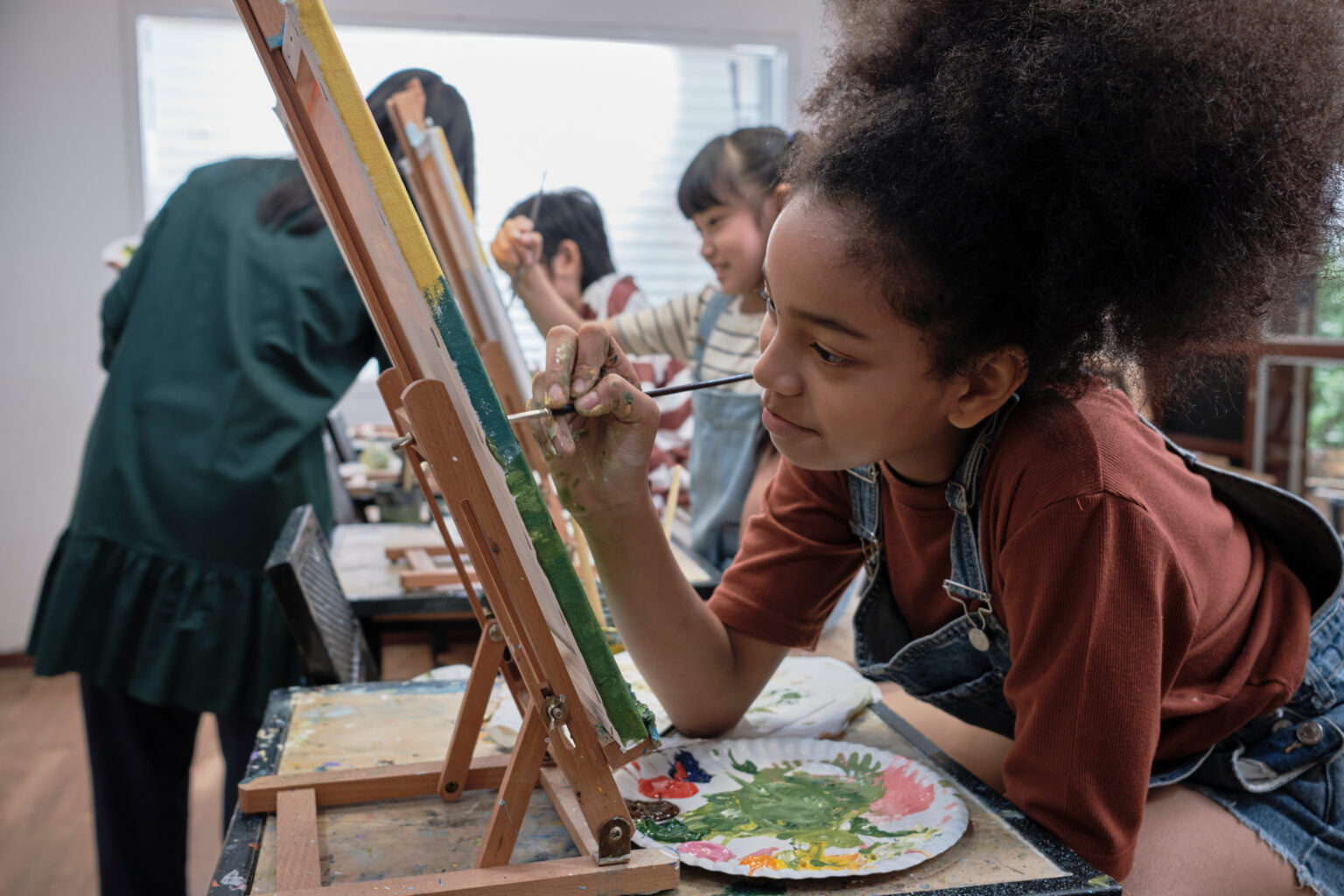
Teaching art at home as a parent can feel daunting, especially if you haven’t practiced creativity much throughout your life. But the good news is that you don’t need to be an artist to teach art. That’s the first thing to know, and honestly, it’s what stops most parents before they start. You’re picturing perfect still lifes and technical critiques, when what your kids actually need is permission to look closely, try something, and feel proud of what they made.
That’s the heart of a great homeschool art curriculum: connecting with your kids and helping them create something they care about. This starter kit for parents offers fresh ideas for teaching art at home and extra tips to ensure you’re set up for success. Keep reading to teach art at home the easy way!
3 Ways to Teach Art at Home
There’s no single “right” way to bring art into your homeschool day. Here are a few approaches that work well, and you can rotate through them depending on your kids’ mood and energy:
1. Recreate a Masterpiece
This is the perfect way to combine history, culture, and art in a single afternoon. Pick a famous artist and their work, and have your kids recreate it in their own way. Keep in mind that it’s not about a perfect copy; it’s about slowing down and really seeing how a piece was created. Along the way, your child will learn essential creative skills, including drawing techniques, composition, blending colors, and creating texture and depth. Start with the biggest shapes first, then medium shapes, and finally details. You can draw anything when you break it down into simple shapes and lines. Have your child identify the shapes they see before they draw; remind them they already know how to draw a circle, square, oval, etc. They can do this! Learning from great artists of the past not only teaches new skills, but it builds confidence through observation and connection.
The best thing about recreating masterpieces is that kids learn how to add their unique touch to a centuries-old piece of art. By the end of their time, they’ll feel confident enough to create something from scratch, and master artists themselves will most likely inspire it.
If you want a guided curriculum that recreates famous masterpieces, the Great Artist Program’s (GAP) homeschool art curriculum for elementary students is a fantastic place to start. With 36 artists included in the homeschool packages and 4 packages of 9 in the elementary packages, each program features in-depth videos on art analysis, the artist, and step-by-step drawing and coloring tutorials. Your children will be set up for success from day one.
2. Draw From Real Life
Set a real object in front of your child and have them draw exactly what they see, not the cartoon version in their head: a single apple, a houseplant, your family pet, their own sneaker. Observational drawing is the single fastest way to sharpen a kid’s attention, because it forces them to look longer and harder than they’re used to.
The supplies list for this method of teaching is simple:
- Pencil
- Paper
- Colored pencils or crayons (optional)
Add a black fine-liner pen once they’re comfortable, since drawing in ink removes the “undo button” and pushes them to commit to their lines. If your child is struggling, check out GAP’s YouTube channel with follow-along drawing tutorials that make homeschooling easy for parents.
3. Paint a Feeling, Not a Thing
Skip the reference entirely and give your child an emotion or an idea to paint: joy, a thunderstorm, or the sound of their favorite song. For inspiration, show your child paintings by Wassily Kandinsky, who listened to music as he created. Look together at the variety of lines and shapes he used to make his art interesting and expressive. Abstract prompts free kids from the pressure to “get it right” and open the door to genuine self-expression. It’s also the most honest introduction to why artists make art in the first place.
Gather tempera or acrylic paints, a wide brush (or just their hands), and the largest paper you can spare. Scale matters here; a tiny page invites tiny, timid marks, while a big surface invites them to move. Tell them to paint what they’re feeling and see how their imagination takes off. This is also a fun way to talk about emotions and build a deeper connection with your child.
3 Tips for Parents When Implementing Homeschool Art Curriculum
1. Challenge your child with more than simple arts and crafts projects
Here’s the distinction that changes everything: gluing pom-poms onto a pre-cut template is a craft. It’s fine, it’s fun, but it asks nothing of your child beyond following directions. Real art asks them to make choices, take a risk, and put a bit of themselves into the work.
A strong homeschool art curriculum leans into that second thing. The projects you give your child should have room for decisions: which colors, which subject, and how to interpret the prompt. When you hand a kid a paint-by-number, you’ve already made every meaningful choice for them. When you hand them a blank page and a real idea to wrestle with, you’ve given them something to be proud of.
When teaching art at home, expect more from your child and see what they’re capable of. At first, they may get frustrated with themselves, but over time, they’ll learn resiliency and the ability never to give up—something that they’ll need far beyond the home.
2. Build a connection first, and then challenge
The two things that make art at home actually work are connection and challenge, and they go in that order.
Connection comes first because kids create more freely when they feel safe. That’s as simple as sitting down and making something alongside them instead of hovering and correcting. Talk while you work. Ask what they’re thinking. Share what you notice in their piece without grading it. The biggest advice here is this: focus on building a real connection with your child over making sure they get art right. After all, they are the artists, so whatever they create is going to be special!
After building a connection, you can challenge them—and this is the part parents most often skip. It’s tempting to keep your homeschool art curriculum “easy,” so it stays fun, but kids are far more engaged when they’re stretched. Ask the harder question: “How could you show that it’s windy in this picture?” Introduce a new material. Suggest they try the same subject again and see what changes. Challenge signals that you take their work seriously, and kids rise to that.
A child who struggles a little and then finishes something they didn’t think they could do walks away genuinely proud. That pride is the whole point, and it’s what keeps them coming back to the table.
3. Invest in an online, easy-to-follow curriculum
Every parent hits the “I have no idea what I’m doing” wall. The fix isn’t more art knowledge—it’s a little structure to lean on. That’s exactly why structured homeschool art programs exist. Homeschool art curriculum gives you the artists, the talking points, and the projects so you can focus on what matters: being present with your kids.
If you’d rather not build every lesson from scratch, GAP’s homeschool art program for grades 1–6 does the planning for you, and you can try it out for free before committing.
Keep the Momentum Going
Once you’ve recreated your first masterpiece or painted a feeling, you’ll want more. A few easy ways to keep it rolling are to pair art with books your kids already love through art and literature connections, or grab some free resources from GAP to fill the weeks between bigger projects.
Start small with one master artist or invest in GAP’s online curriculum. From there, your child will create something they’re proud of, and soon they’ll want to spend all their time creating. With the right tools and resources, you can implement a homeschool art curriculum in no time and start seeing your child flourish and create art they’re proud to show off.
7 Kids’ Birthday Art Activities to Make...
Art-themed birthday parties have become a favorite for good reason. They give every child something personal to work on, a....
Teaching a Homeschool Art Curriculum: The Starter...
Teaching art at home as a parent can feel daunting, especially if you haven’t practiced creativity much throughout your life.....
7 Fall Art Projects For Kids That...