
How to Talk About Art With Kids: 5 Tips

Talking with kids about art sounds simple until you are standing in front of a painting, wondering what to say—but don’t let that stop you. Talking about and teaching art is essential for kids and teens. It teaches resilience and confidence and broadens their imagination.
The encouraging part is that you don’t need to be an expert to guide creative conversations. You just need to stay curious and believe in your students or child. In this post, we will cover how to talk about art with kids and teens, and how to teach it. If you want to see children and teens grow in creativity, keep reading!
Art Curriculum: The Starting Point to Creative Conversations
The hardest part of talking to kids about art is usually finding something to talk about!
That is exactly what an art curriculum solves. Instead of hoping inspiration strikes on a random Tuesday afternoon, a curriculum gives you everything you need to get students creating their own artwork. And you can even join in on the fun!
An online art curriculum is even better than a traditional paper one. Lessons are ready the moment you are, and students move at their own pace with little to no planning needed on your end. Press play, grab your supplies, and start creating.
The Great Artist Program (GAP) is built exactly this way. Students study real master artists, from Van Gogh to Frida Kahlo to Faith Ringgold, then learn hands-on skills such as composition, blending, texture, and shading so they can create original masterpieces they are proud to show off. This is not arts and crafts, and it is not process art. It is real visual art education that grows right alongside your students.
Our online art programs are built for every stage:
- GAP’s kindergarten program takes our youngest artists on a trip around the world, drawing animals and their habitats while learning color, shape, symmetry, and blending.
- The elementary package includes 12 online art classes, each with follow-along drawing and coloring videos, plus a teaching guide for you.
- Our middle school program goes deeper with six master artists per year, sketchbook development, writing prompts, and art critique.
- Our high school program uses middle school art classes to teach older students advanced techniques, art history, and more, ending in a final project.
Teaching Children & Teens Art: 5 Tips for Parents & Teachers
1. Utilize fun, engaging online art classes for easy teaching.
You are not required to be the expert in the room. When a guided online art class handles the instruction, you get to do the far more valuable job of noticing, asking, and encouraging. Sit down next to your student, follow along, and create your own version too. Kids love watching adults be beginners.
2. Challenge students to do more than they think they’re capable of.
Most art activities aimed at kids and teens ask far too little of them. Give a second grader a real Monet and a step-by-step guide and watch what happens. Students rise to the level of the challenge in front of them, and the confidence that comes from finishing something genuinely hard is the whole reward. Expect more from your students and see what they can do! That’s what we do at GAP, and it more than pays off.
3. Ask more questions rather than talking.
This is the single fastest way to improve your art conversations. Start with curiosity when teaching kids and teens art.
When studying art, try questions like these:
- What do you notice first?
- What is going on in this picture?
- How does this artwork make you feel, and what makes you say that?
- What colors did the artist use the most? Why do you think they chose those?
- What would you change if this were yours?
- What would you title it?
These questions are meant to spark critical thinking skills in students, something that’s essential for creativity and life.
4. Draw inspiration from famous artists of the past.
Master artists are the best teachers your student will ever have. Studying how Van Gogh built texture or how Kahlo used color gives kids a real technique to try, not just a vague instruction to be creative. It also delivers a quietly powerful message: every great artist in history started exactly where your student is right now. GAP’s programs do just that—we study and recreate famed artists’ masterpieces and learn so much along the way.
5. Connect art with real life.
Art conversations stick when they leave the paper. Start pointing out art beyond the classroom or outside of your home to make creativity a part of everyday life. Point out the composition in a movie poster. Talk about color in the produce aisle. Notice the shadows on a walk. Ask which artist your student’s bedroom reminds them of. Once kids start seeing art everywhere, they never really stop.
3 Resources for Talking About Art: Free Classes, Online Art Curriculum, & More
1. GAP Programs
Our free sample class walks students through recreating Van Gogh’s “Les Alpilles” and Monet’s “Boats at Petit Gennevilliers.” Each one includes a supply list and easy-to-follow videos, and a 7-year-old finished the Monet lesson in just over an hour. Try one with your student, and you will see how naturally the conversation flows once a masterpiece is on the table.
2. Free YouTube Art Classes
GAP founder Laurie White has a whole library of free guided drawing tutorials on her YouTube channel, geared toward ages 4 to 12. Castles, chameleons, sea life, pirate ships, jungle plants: pick whatever your student is obsessed with this week. These are perfect for a rainy afternoon or a classroom filler, and they are wonderful practice for asking questions while your student draws.
You will find these and more on our free art resources page.
3. Art + Lit
If your student already loves a good story, Art + Lit is your shortcut. It is a downloadable PDF containing 20 easy-to-teach lesson plans that pair beloved children’s books with guided art projects, plus teaching tips, definitions of the Elements of Art, and a color wheel guide. Read the book, talk about the illustrations, then create something inspired by it. Reading and art in one sitting, and the conversation practically writes itself.
Start the Conversation
Talking about art with kids is not about having the right answers. It is about finding the right art curriculum, asking questions that make your student look a little longer and think a little harder, and giving them the skills to create something of their own.
That combination of creating, responding, and connecting is exactly what the National Visual Arts Standards ask for, and it is how the Great Artist Program has been designed from the beginning. Every one of our art curriculum programs was developed to meet those standards, so you can feel confident that every conversation and every masterpiece is building real, credible art education.
Ready to start? Try a free art class with your student or child this week, and find the great artist in every child.
7 Kids’ Birthday Art Activities to Make...
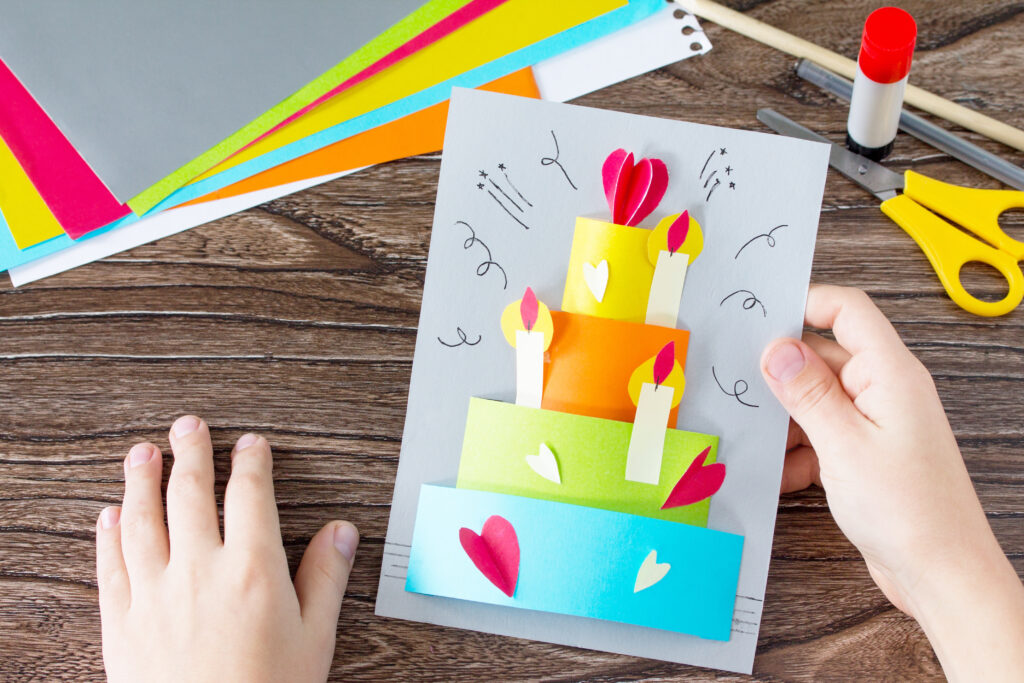
Art-themed birthday parties have become a favorite for good reason. They give every child something personal to work on, a....
Teaching a Homeschool Art Curriculum: The Starter...
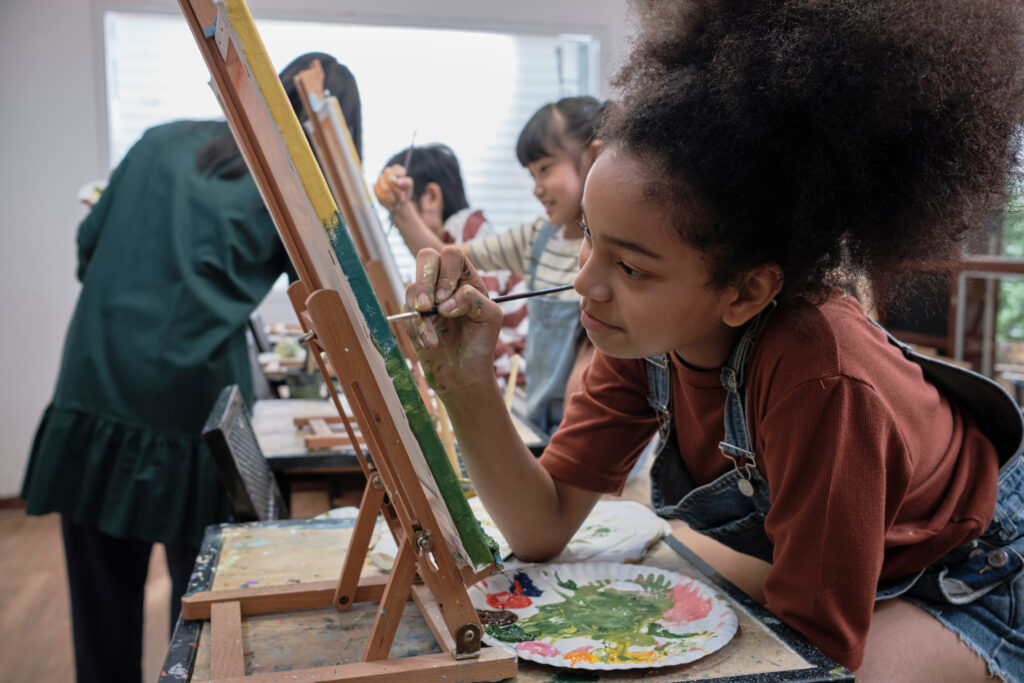
Teaching art at home as a parent can feel daunting, especially if you haven’t practiced creativity much throughout your life.....
7 Fall Art Projects For Kids That...