
The Ultimate Homeschool Art Project Supply Guide
Art can be one of the most rewarding parts of homeschooling. Whether your child loves painting, drawing, sculpting, or creating mixed-media projects, having the right supplies can make your homeschool art lessons more engaging and less stressful. The good news is that you do not need an expensive studio setup to create meaningful art projects at home.
With the right planning, families can build an art space that fits nearly any budget while still encouraging creativity, exploration, and confidence. From basic beginner kits to more advanced materials for older students, this homeschool art supply guide will help you understand what you truly need, what can wait, and how to choose supplies that support long-term learning.
Getting Started With Homeschool Art Supplies
Choosing the right materials for homeschool art projects does not have to be overwhelming or expensive. Many families can begin with just a few versatile supplies that support drawing, painting, crafting, and other creative homeschool art lessons at home.
The best art supplies for homeschoolers often depend on a child’s age, interests, and learning style. Younger children may only need simple basics like crayons, washable paint, paper, and safety scissors, while older students may enjoy more advanced materials such as watercolor paper, acrylic paint, sketchbooks, and mixed-media tools.
Starting with flexible, multipurpose supplies allows homeschool families to explore different types of homeschool art projects without overspending. From budget-friendly essentials to more advanced options, the following guide breaks down the most useful supplies for creating engaging art experiences at home.
Basic Homeschool Art Supplies Every Family Should Have
Before diving into advanced materials, it helps to start with versatile basics that work for artists of all ages and skill levels.
Drawing Supplies
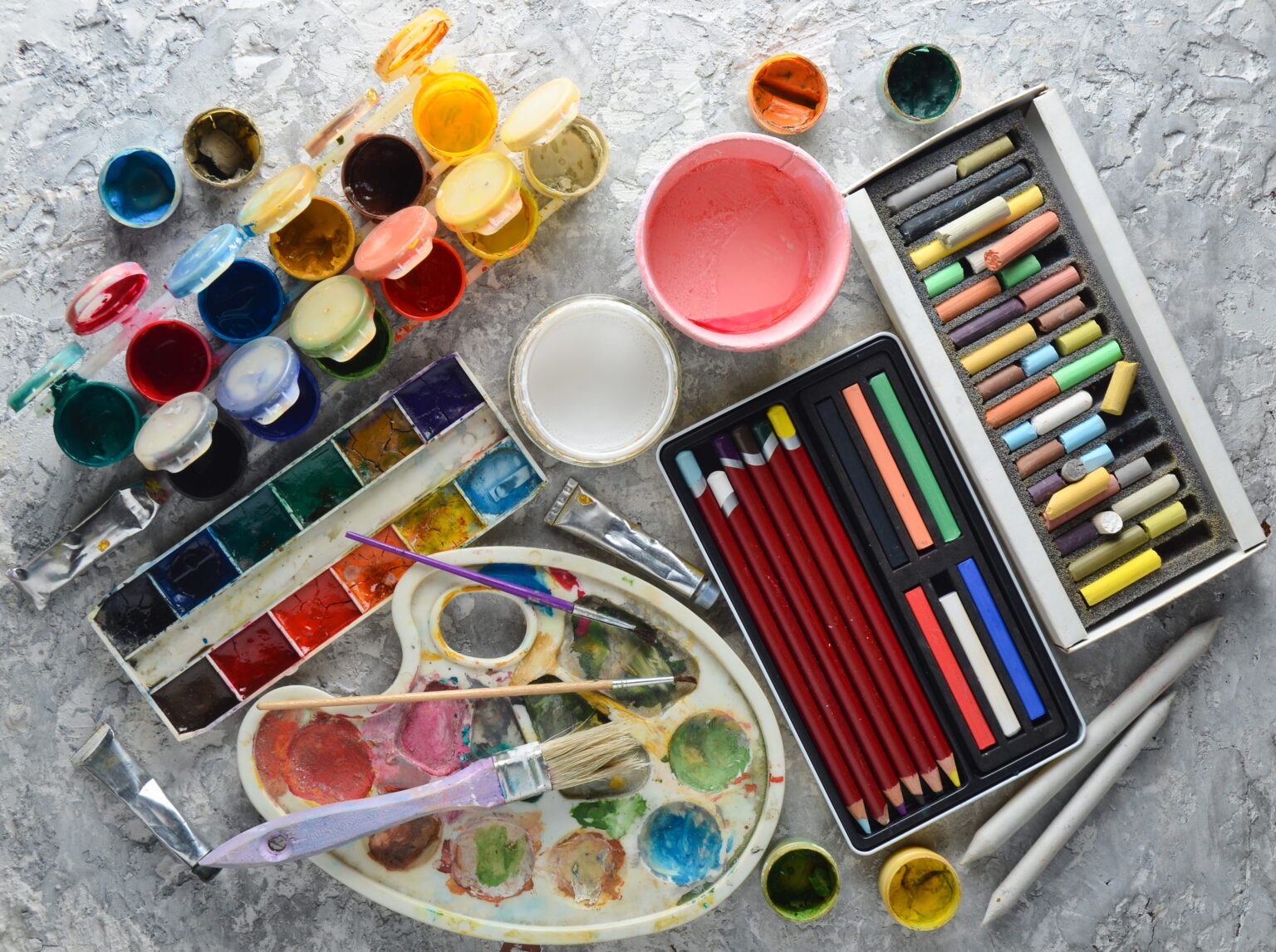
Drawing materials are the foundation of most homeschool art projects. These are usually the first supplies children use regularly. Recommended basics include:
- Graphite pencils
- Colored pencils
- Crayons
- Oil pastels
- Washable markers
- Black fine-tip markers
- Erasers
- Pencil sharpeners
- Sketchbooks or drawing paper
You do not need premium brands to get started. Budget-friendly supplies work perfectly for younger children who are still experimenting with technique and developing hand control.
Paper Options
Different homeschool art projects require different types of paper. Keeping a variety on hand allows children to explore multiple media. Helpful paper options include:
- Construction paper
- Printer paper
- Watercolor paper
- Mixed-media paper
- Cardstock
- Large drawing pads
Watercolor paper is especially important if your children will be using wet media, since regular paper can wrinkle or tear easily. Another good alternative for watercolor is 120-lb paper, as its heavier weight absorbs more water without buckling or warping, making it a more forgiving choice for young artists still learning water control. Mixed media paper, typically 90 to 140 lb, is designed to handle most wet and dry media, including watercolors, markers, and colored pencils, making it a practical all-in-one option for families who don’t want separate pads for every medium.
Paint Supplies
Paint is often the most exciting part of homeschool art lessons for children. Start simple and build over time. Good beginner paint supplies include:
- Washable tempera paint
- Watercolor paint sets
- Acrylic paint for older students
- Paintbrushes in multiple sizes
- Water cups
- Paint palettes or paper plates
- Smocks or old shirts
Tempera paint is ideal for younger children because it is affordable, washable, and easy to use. Older homeschoolers may enjoy experimenting with acrylics as their skills grow.
Cutting and Craft Tools
Art projects frequently involve cutting, assembling, and layering materials. Essential tools include:
- Child-safe scissors
- Glue sticks
- Liquid school glue
- Tape
- Stapler
- Hole punch
- Ruler
These simple supplies support a wide range of creative activities beyond traditional drawing and painting.
How to Keep Your Homeschool Art Supplies Budget-Friendly
One of the biggest misconceptions about homeschool art classes is that they require expensive materials. In reality, many meaningful homeschool art projects can be completed using affordable supplies and household items. Families just starting out can build a functional art setup for a surprisingly low cost. A starter kit is suggested to include crayons, colored pencils, washable markers, construction paper, glue sticks, scissors, and a sketchbook. This setup works well for elementary homeschool art lessons and provides enough variety for weekly projects.
Art education does not have to become expensive over time. Many families supplement paid curriculum with free printable activities, tutorials, and project ideas. The Free Stuff page from The Great Artist Program includes free resources such as printable activities, teaching insights, sample lessons, and access to helpful content from the Great Artist Program YouTube channel. These resources can help families add more variety to their homeschool art classes while keeping costs manageable. Using free resources is also a great way to test new techniques and media before investing in additional supplies.
Tips for Saving Money on Homeschool Art Supplies
Art supplies can add up quickly, especially with multiple children. Fortunately, there are several ways homeschool families can reduce costs without sacrificing creativity, such as:
- Buy multipurpose supplies: Choose materials that work across multiple project types whenever possible. Mixed-media paper, washable paint, and colored pencils are versatile enough for many activities.
- Shop seasonal sales: Back-to-school sales are often the best time to stock up on basics like crayons, paper, glue, and markers.
- Use household materials: Many homeschool art projects can incorporate recycled items such as cardboard boxes, paper towel rolls, egg cartons, and scrap fabric.
- Start small: You don’t need every art supply immediately. Begin with the basics and gradually expand your collection as your children’s interests develop.
Organizing Your Homeschool Art Space
You do not need a dedicated art room to create a successful learning environment. A simple, organized setup often works best. Helpful organization ideas include:
- Rolling carts for portable supplies
- Clear bins for sorting materials
- Drawer organizers for smaller items
- Drying racks for paintings
- Table covers for easier cleanup
Keeping supplies accessible encourages children to create more frequently and independently.
Choosing the Right Supplies for Different Ages
Not all art supplies work equally well for every age group. Selecting age-appropriate materials helps children stay engaged while avoiding unnecessary frustration.
For younger homeschoolers, focus on supplies that are easy to grip, washable, and durable. Helpful supplies often include:
- Jumbo crayons
- Washable markers
- Thick paintbrushes
- Large paper pads
- Washable paint
- Child-safe scissors
Homeschool art projects at this stage should emphasize exploration rather than perfection.
Middle elementary students often begin developing stronger artistic interests and skills. Helpful additions to the previously mentioned supplies could include:
- Watercolor sets
- Oil pastels
- Air-dry clay
- Mixed-media paper
- Fine-tip markers
Structured homeschool art lessons can become more technique-focused while still encouraging creativity.
Older homeschoolers and teens may enjoy experimenting with more professional tools and advanced projects. Useful supplies may include:
- Charcoal
- Blending stumps
- Specialty pens
- Acrylic paint
- Canvas panels
- Advanced sketchbooks
Teen students often benefit from more in-depth instruction and project-based learning opportunities.
Pairing Your Art Supplies With Easy-to-Follow Homeschool Art Curriculum
Even with the best supplies, many parents still feel uncertain about consistently teaching art. A quality curriculum helps remove the guesswork while providing structure, instruction, and inspiration. The Great Artist Program combines engaging homeschool art lessons with artist studies, creative projects, video instruction, and printable materials designed for homeschool families. Students are introduced to famous artists, artistic techniques, and hands-on homeschool art projects that build creativity and confidence. Families can also preview lessons through the Try It Out page before purchasing a full curriculum package.
The Kindergarten curriculum features shorter, age-appropriate lessons focused on foundational art skills for younger learners. The elementary homeschool art curriculum for grades K–6 expands into more detailed projects and technique-based lessons for growing artists. Older students can continue developing their skills through the middle school art curriculum, which introduces more advanced projects and creative techniques for older homeschoolers.
Bring Creativity Into Your Homeschool With The Great Artist Program
Creating a meaningful art experience at home does not require expensive supplies or professional artistic training. With a thoughtful mix of basic materials, structured homeschool art lessons, and creative freedom, families can build an enriching environment that supports imagination and hands-on learning.
Whether you are searching for simple homeschool art projects for younger, preschool/elementary-age children or more advanced art for middle school and teen homeschoolers, starting with the right supplies can make the entire process more enjoyable and less overwhelming. Families interested in adding structured art instruction to their homeschool curriculum can explore The Great Artist Program, browse our free homeschool art resources, or preview lessons throughout the Try It Out Page! Contact us today and give your budding artist the support they deserve!
7 Kids’ Birthday Art Activities to Make...
Art-themed birthday parties have become a favorite for good reason. They give every child something personal to work on, a....
Teaching a Homeschool Art Curriculum: The Starter...
Teaching art at home as a parent can feel daunting, especially if you haven’t practiced creativity much throughout your life.....
7 Fall Art Projects For Kids That...