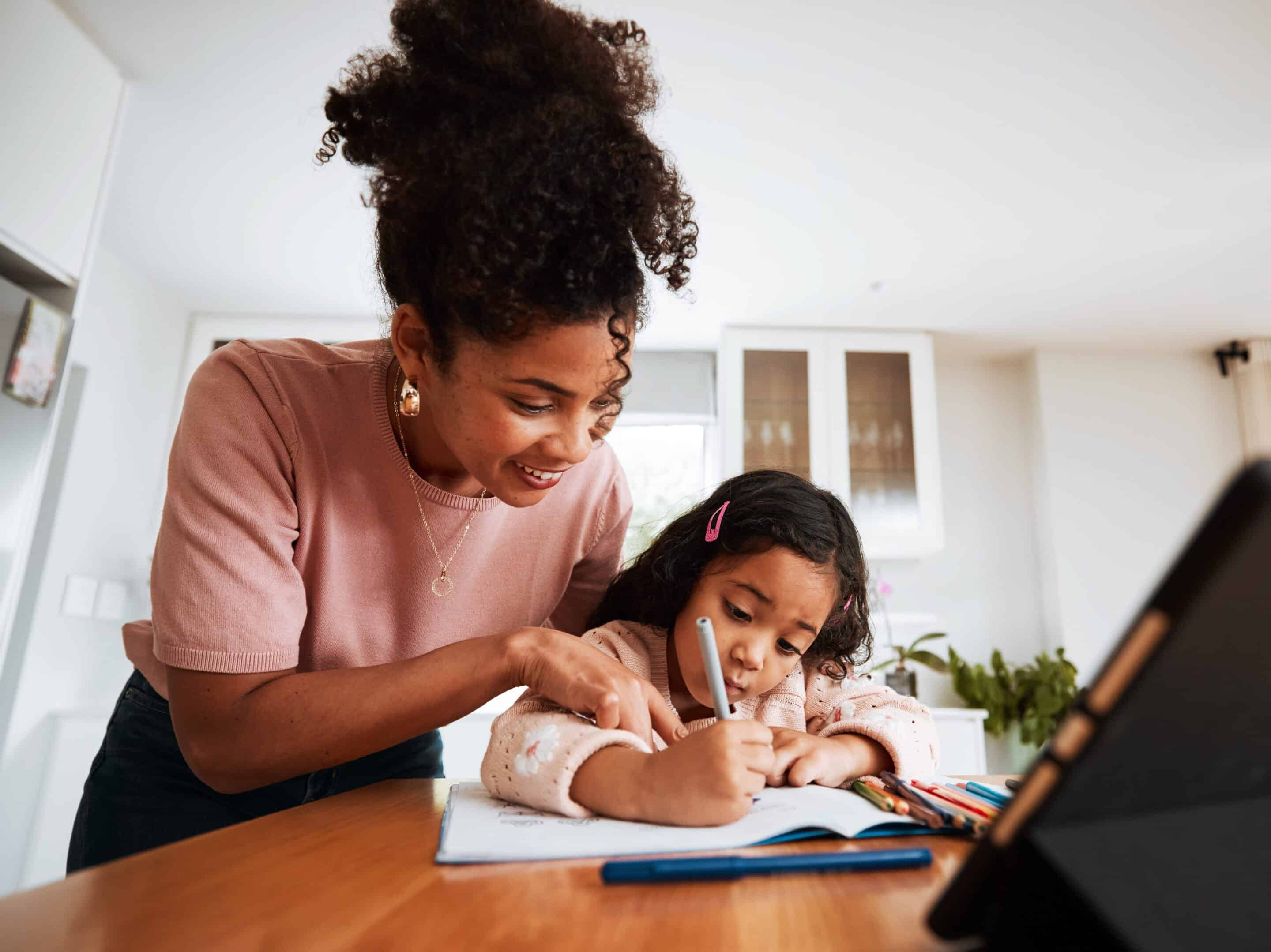
Homeschooling comes with a lot of moving parts, and art can easily fall to the bottom of the list. Between teaching core subjects, managing your home, and keeping up with daily responsibilities, it can be hard to find the time and energy to plan creative projects. But art is more than just a fun extra. It helps kids build confidence, develop problem-solving skills, and express themselves in ways other subjects cannot.
The good news is homeschool art does not have to be complicated, messy, or time-consuming. With the right ideas, you can introduce meaningful art activities using simple supplies and minimal prep. Whether you have 15 minutes or a whole afternoon, these homeschool art ideas are designed to make creativity easy and enjoyable for both you and your child.
8 Homeschool Art Ideas
If you’re feeling stuck or short on time, here are 8 easy homeschool art ideas you can try today:
1. Follow-Along Art Lessons on YouTube
YouTube is a treasure trove of free homeschool art projects for kids K–12. Videos often cover techniques such as line, shape, value, color, shading, texture, and more. Many YouTube channels have follow-along videos, making it easy for you to play them for your child while you’re doing things around the house. Or you may even want to join them in the fun and follow along with the video yourself!
One excellent YouTube resource is the Great Artist Mom. The channel is led by Laurie White, founder of the Great Artist Program (GAP), which offers innovative visual art education for grades K–12. On her channel, you’ll find numerous free online art lessons that teach students essential skills and help them become the great artists of tomorrow.
Here are a few of the most-watched online art lessons from the Great Artist Mom:
- How to Draw a Chameleon
- How to Draw Jungle Plants
- How to Draw a Sailboat
- How to Draw a Pirate Ship
- How to Draw Sea Life
- How to Draw a Castle
While many of these homeschool art lessons are designed for kids ages 3–10, they can be enjoyed by children of any age. If you’re looking for a fun and easy activity, try a lesson from the Great Artist Mom or explore YouTube for additional inspiration.
For more guided projects, GAP also offers free art lessons and online resources, making it easy to bring meaningful art into your homeschool at no extra cost.
2. Nature Appreciation
Sometimes the best homeschool art idea starts in the great outdoors. Art is everywhere we look, and teaching your kids this at a young age is a solid foundation for creativity. From detailed snowflakes to beautiful butterflies, nature can greatly inspire young kids in their artistry.
Nature appreciation is a simple, creative practice that’s fun for everyone. If you or your kids are feeling trapped indoors, get out there and appreciate the beauty of Mother Nature.
Here are a few nature-inspired art activities you can do with your kids:
- Create a nature journal. Kids can sketch what they see, track the changing seasons, and build a deeper connection with nature. They can also press leaves or flowers into the journal as mementos.
- Pick some flowers for an arrangement. If it’s summer or spring, take a walk in the neighborhood and pick some flowers along the way. When you get back home, help your kids arrange them and showcase them in your house. You can even do a deep dive into the type of flowers your kids picked and connect art to real-world experiences.
- Go for a picnic and draw what you see. For lunch, plan a picnic at a local park and have your kids bring along a sketchbook. Have them paint or draw what they see, capturing the details of nature.
- Make a wreath from nature. Collect twigs, pinecones, and tree branches to form a wreath and hang it in your home. You’ll have a beautiful wreath, and your child will feel proud of what they’ve made.
3. Recreating Famous Artists’ Work
Master artists, from centuries ago to today, can teach kids so much about art techniques, art appreciation, art critique, and art history. One of the best homeschool art ideas you can invest in is an online art curriculum that studies the diverse spectrum of artists and teaches kids how to recreate their famed masterpieces.
Oftentimes, homeschool art classes don’t expect enough from kids K–12. While simple craft projects can be fun, they don’t challenge students enough or teach them the skills needed to become great artists.
A homeschool art curriculum, like the Great Artist Program, empowers students to reach their full creative potential. Within the curriculum, kids do more than arts and crafts—they learn the life and inspirations of master artists, build essential hands-on skills, learn vocabulary and techniques, and grow in confidence.
The self-paced course material includes 3 packages that study 12 different famous artists and their work, from Van Gogh’s “Starry Night” to Henri Toulouse-Lautrec’s “Moulin Rouge.” Each package includes 7 hours of content, 12 online art classes, several video segments detailing the art and the artist, follow-along drawing and coloring guides, and so much more. This isn’t any homeschool art idea—it’s a foundation to build upon for the artists of tomorrow.
In addition to the homeschool curriculum, GAP also offers online art education for elementary and middle school students. These structured programs can also be used by homeschool families who want a more in-depth, classroom-style art experience at home.
Try out a free art lesson from GAP’s homeschool curriculum to see if it’s a good fit for your kids. If you’re ready to invest in your child’s creativity, check out each package to decide which one to start with and begin creating!
4. Gratitude Watercolors
Another easy homeschool art project idea is to ask your kids, “What are you grateful for today?” and have them paint or draw it out. Not only does this help them get creative, but it also helps them look for the good in their lives—and it is an essential skill that can be used outside the home.
All you need for this project is watercolor paper and paint or crayons. Let your kids create an abstract watercolor background, then let it dry. As it dries, start letting them think about things they’re grateful for. After it’s dry, let them paint or draw words of gratitude or things they’re thankful for. It’s a soothing, low-pressure activity that builds emotional resilience and art skills.
5. Art Inspired by Book Illustrations
Bringing together literature and art is a powerful way to deepen your child’s creativity and understanding. After finishing a favorite book, invite your child to illustrate a scene, design a book cover, or create artwork inspired by a character. This helps them connect visually with the story while strengthening comprehension and creative thinking.
For a more guided approach, the Great Artist Program offers art and literature lessons that pair classic stories with meaningful art projects. These lessons help students connect visually with what they read, build artistic skills, and grow in confidence. The downloadable PDF includes:
- 58 full-color pages
- 20 easy-to-teach Art + Literature lesson plans
- Guided drawings and book suggestions
- Teaching tips for parents
- Elements of Art definitions
- Color Wheel guide
GAP’s Art + Literature package can also be used for group homeschool settings, making it flexible for families or small learning groups.
6. Magazine Collages
Collages are a really engaging, unique homeschool art activity for kids of any age. If you have magazines, newspapers, or old books lying around, cut them up and use them for open-ended collage projects. This activity helps young artists develop fine motor skills, spatial awareness, composition, and visual literacy. It also encourages critical thinking, problem-solving, and self-expression as they make creative decisions about what to include and how to arrange it.
One of the best parts about a collage is how personal it can be. For example, if your child loves fashion, they can use fashion magazines to design their own looks. If they love animals and nature, nature magazines can help them build imaginative worlds. This freedom allows kids to explore their interests, build confidence in their ideas, and create artwork that feels meaningful to them.
Plus, collage is low-pressure and accessible, making it a great way to nurture creativity without needing expensive supplies or formal training.
7. Color Wheel Craft
For younger kids just starting to learn about art, a color wheel craft can be the perfect introduction to the world of creativity. This hands-on activity helps children understand how colors relate to each other while creating something playful and personal. Instead of just memorizing colors, kids experience them by building their own wheel.
This activity helps young artists build color recognition, understand primary and secondary colors, strengthen fine motor skills, and practice creative decision-making. You can use simple supplies you already have at home, like a paper plate or cardboard circle, markers or paint, a pencil, and glue.
Here’s how to do a color wheel craft with your child:
- Make a circle: Use a paper plate or cut a circle from paper or cardboard.
- Divide it: Draw lines to create 6 equal sections.
- Add primary colors: Color three sections red, yellow, and blue.
- Add secondary colors: Fill in orange, green, and purple between them.
- Glue matching items: Find objects around the house that match each color and glue them on.
- Talk about the colors: Ask your child which colors they like and where they see them in real life.
Creating a color wheel helps kids see that art is everywhere. By using familiar objects and their own ideas, they begin to understand color in a meaningful, hands-on way. It builds confidence and lays the foundation for future art skills—all while feeling like play.
8. Animal Paintings
Kindergarteners don’t have to be left out of homeschool art activities. There’s so much they can learn and create, even at a young age. A straightforward project is painting or drawing animals from around the world.
While you can do this on your own, following an art curriculum like GAP’s Animals Around the World provides guided instruction that helps young artists build foundational skills while exploring new cultures, habitats, and creative techniques. Within the curriculum, young artists learn concepts such as color, shape, symmetry, texture, color blending, and more. Throughout the course, students embark on a worldwide adventure to learn about the habitats and lives of animals around the globe.
GAP’s kindergarten homeschool package includes 6 online art classes, follow-along drawing and coloring guides, a printable world map, a teaching guide for parents, and a complete art supply list. Whether you join your kids or put it on in the background while you get things done, the Animals Around the World curriculum is an easy-to-follow homeschool art idea that introduces students to art.
Make Homeschool Art Easy and Enjoyable
Coming up with homeschool art project ideas doesn’t have to be hard. Kids are more creative than we give them credit for, and sometimes the best ideas come from boredom. With a few simple supplies and a little encouragement, they can create meaningful artwork that builds confidence and helps them see themselves as artists.
If you want more structure and support, following a curriculum like the Great Artist Program can make art feel easy and consistent in your homeschool. With guided lessons, engaging projects, and step-by-step instruction, you don’t have to plan everything yourself, so your child can keep creating, and you can enjoy the process too.
Recent Comments